Short answer: no exercise, food, finger pressure, tongue trick, rubber band, or home remedy can predictably straighten adult teeth safely. Tooth movement requires a planned force and monitoring of the roots, gums, supporting bone, and bite. Good oral care and healthy habits support dental health, but they do not move roots into a new position. If you are unhappy with crowding, gaps, or a bite difference, an orthodontic assessment can explain whether treatment is needed and which options fit your mouth.
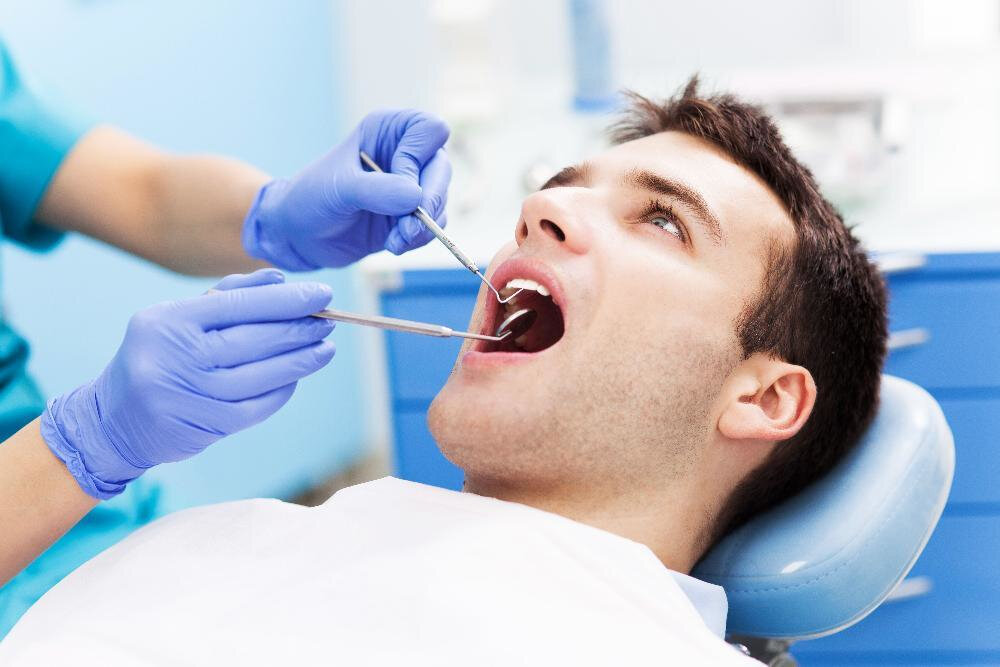
What does it mean to straighten teeth?

A tooth is held in the jaw by supporting tissues, including the periodontal ligament and surrounding bone. Orthodontic appliances apply controlled forces over time so teeth can move as the supporting tissues adapt. The direction and amount of force matter. Moving a tooth is not the same as pushing its visible crown a little to one side: roots also need to remain supported, and the upper and lower teeth must meet in a functional way.
Alignment is only one part of an orthodontic diagnosis. A clinician also considers whether teeth are crowded or spaced, whether the jaws fit together, whether a tooth is blocked or missing, and whether gum health, decay, restorations, or root conditions affect the plan. Many alignment differences are minor and do not require treatment. A qualified professional can explain the likely benefit, limitations, risks, and alternatives for an individual case.
People often search for a natural method because braces seem costly, uncomfortable, or inconvenient. Those concerns are reasonable to discuss at a consultation. They do not make an uncontrolled home method effective. Faster or cheaper-looking tooth movement can lead to damage and additional treatment costs.
What home methods can and cannot change
Daily brushing and cleaning between teeth help control plaque. A balanced diet supports general and oral health. Treating gum inflammation may improve gum health, and removing surface stains may change how a smile looks. These actions do not close orthodontic spaces, rotate teeth, correct an overbite, or reposition roots.
Chewing gum or crunchy foods may exercise the jaw muscles, but stronger muscles do not safely move teeth into a planned position. Good posture and normal tongue rest are parts of general function; deliberately pressing the tongue against selected teeth is not a proven adult straightening treatment. If a child has persistent oral habits or a developing bite concern, seek an individual assessment instead of attempting exercises intended to move teeth.
Why DIY tooth movement can cause harm
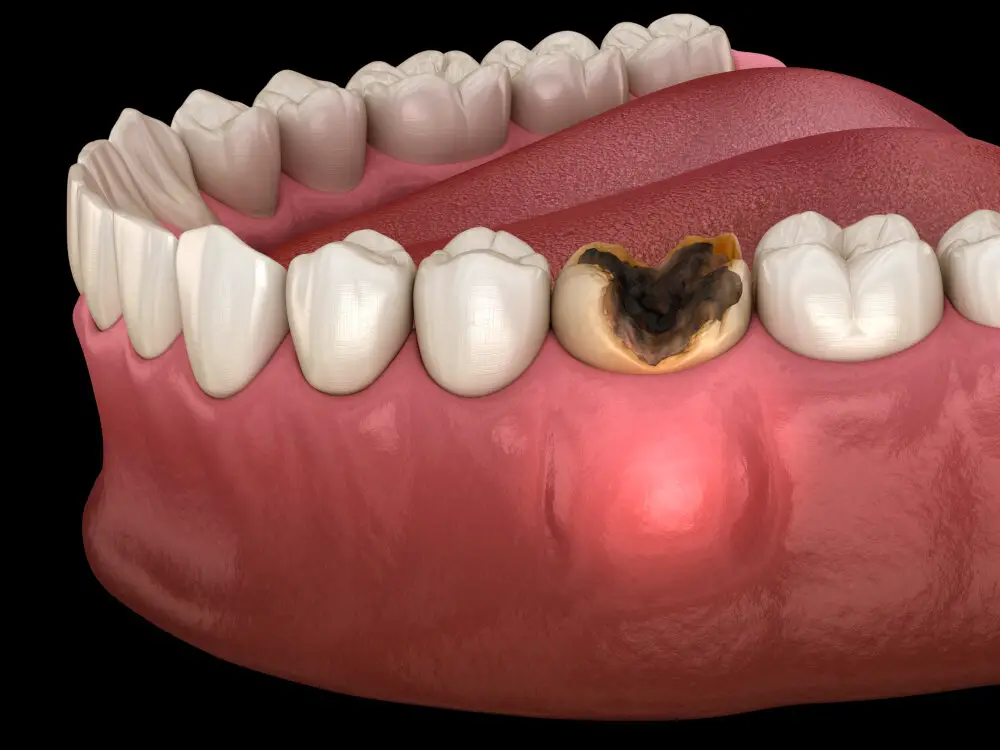
Elastic bands and improvised appliances
A gap band can slip below the gumline even when the visible space appears to close. The hidden band may damage gum and bone support, cause pain and swelling, loosen teeth, or lead to tooth loss. The American Association of Orthodontists describes a case in which a band used to close a gap moved under the gums and caused extensive periodontal damage; the child lost two front teeth. This is one documented case, not a prediction for every patient, but it shows why an elastic around teeth is unsafe.
String, floss, wire, craft materials, and improvised brackets are not orthodontic appliances. They cannot control root torque, rotation, force, or bite contacts. A device that feels comfortable at first can still apply force in an unwanted direction. Do not tie, push, or pull on teeth with household materials.
Finger pressure, tongue pressure, and exercises
Pressing a tooth with a finger cannot guide its root through bone in a controlled way. The same applies to jaw workouts, biting devices, facial yoga, or repeated tongue pressure marketed as a way to reshape an adult jaw. The American Association of Orthodontists says current research does not support mewing claims about jawline or oral-health benefits, and excessive or uneven tongue force may disrupt tooth alignment or bite. Normal, comfortable tongue posture is not the problem; trying to force teeth or jaw position without supervision is.
Mail-order aligners and tight retainers
Clear aligners are used in orthodontics, but treatment planning depends on the person. Before tooth movement, a clinician should evaluate the teeth and bite and decide which records are appropriate. A remote service that skips an in-person assessment or ongoing professional supervision can miss decay, gum disease, root limitations, bone support, impacted teeth, or bite problems. Ask who diagnoses and monitors the treatment, how the clinician can be contacted, and what happens if a tooth or bite changes unexpectedly.
A retainer is generally prescribed to maintain tooth position after active orthodontic movement. Do not force an old or tight retainer onto teeth that have shifted. It may not fit the current bite, and forcing it can cause pain or damage. Contact the clinician who provided it or arrange a dental review.
Filing teeth is not orthodontics
Enamel recontouring performed by a dental professional may change a small edge or shape irregularity in selected cases. It does not move roots or correct crowding. Filing your own teeth can remove too much enamel, create sensitivity or uneven edges, alter the bite, and contribute to cracks or fractures. Enamel does not grow back. Do not use a nail file, emery board, drill, or other abrasive tool on teeth.
What healthy habits can improve
Home care still matters. Brush twice daily with fluoride toothpaste and clean between teeth using a tool that fits comfortably. Regular dental visits help identify cavities, gum inflammation, or other issues before or during orthodontic treatment. If teeth are difficult to clean because they overlap, mention that at a dental visit; do not try to force them apart yourself.
Food choices support oral health, not tooth alignment. Calcium-containing foods and an overall balanced diet can contribute to normal nutrition, while limiting frequent sugary snacks and drinks helps reduce cavity risk. Crunchy foods are not a natural braces substitute and should not be presented as a way to shift teeth. If a food is painful to bite or a tooth feels loose, stop using that tooth to test it and seek dental advice.
Appearance can also change without orthodontic movement. Removing surface stain may brighten teeth, and treating swollen gums can change how much tooth is visible. Whitening or cosmetic treatment should be considered in light of dental health and any existing restorations. Ask a dentist what explains the appearance before choosing a cosmetic fix. Stain removal, gum treatment, or a new photo angle does not correct the position of roots or the bite.
If you have already completed orthodontic treatment, follow the retainer instructions you were given. If a retainer is lost, cracked, or no longer fits, contact your orthodontist rather than substituting an online appliance or trying to push teeth into place. For more on movement after treatment, see our guide to how fast teeth may shift and why retention matters.
What happens during an orthodontic assessment?
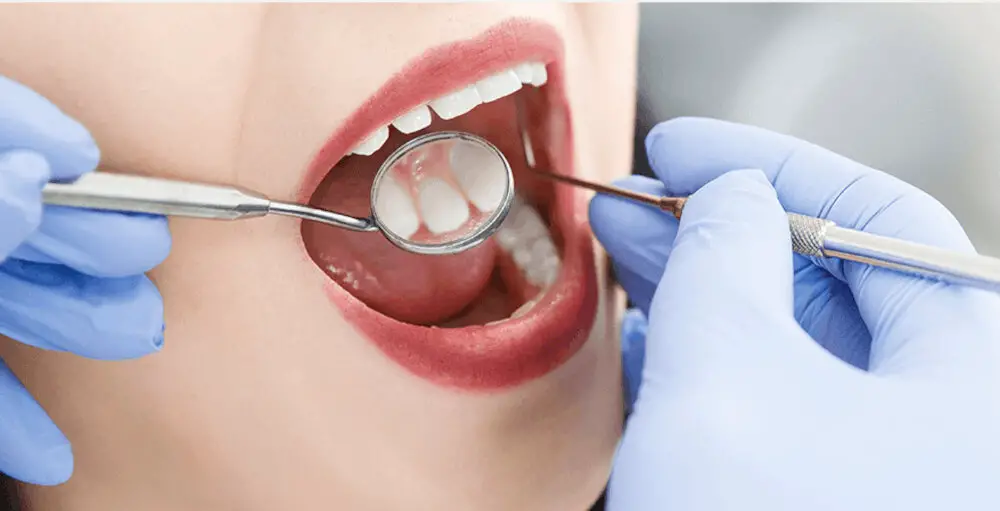
An orthodontic visit is a chance to understand the concern and ask about realistic options. The clinician may examine tooth position, the bite, jaw movement, gum health, and existing restorations. Photos, scans, dental models, or X-rays may be considered when they help diagnose the problem; the clinician determines which records are appropriate. A photograph or mail-in impression alone cannot show every issue under the gumline or how teeth contact when chewing.
Before starting treatment, ask the clinician to explain the diagnosis in plain language. Which teeth and jaw relationships need attention? What is the goal: appearance, easier cleaning, bite function, or a combination? What are the likely benefits and risks? How will progress be monitored? What could happen if treatment is delayed or not done? These questions help you distinguish an individualized plan from a promise that a single device works for everyone.
For a second opinion, bring any recent dental records if available and ask whether more than one treatment approach could address the same concern. A consultation does not obligate you to begin treatment. The AAO’s guide to choosing an orthodontist outlines questions about specialty training, diagnosis, options, communication, and payment.
- Ask who is responsible for diagnosis and treatment monitoring.
- Ask which records are needed and why.
- Ask what the appliance can and cannot correct.
- Ask what follow-up visits and retention will involve.
- Ask for a written estimate and what costs may not be included.
Professionally supervised options
The right treatment depends on the diagnosis, not on whether an option is described as natural, invisible, or fast. Orthodontic treatment may involve braces, clear aligners, or a limited appliance for a selected problem. Some skeletal jaw discrepancies require a combined plan with other dental specialists or, less commonly, surgery. A dentist or orthodontist can explain whether observation is reasonable or whether treatment could improve function, oral care, or appearance.
Braces
Braces use brackets and wires to apply planned pressure. They can address a range of tooth and bite concerns, but they require adjustment visits and careful cleaning. The AAO explains that treatment needs differ and that successful care depends on a plan tailored to the patient. Do not copy the appearance of braces with rubber bands or wires at home.
Clear aligners
Clear aligners are removable appliances used in a prescribed sequence. They may be suitable for some alignment problems but are not the best choice for every movement or bite. A clinician should explain how consistently to wear them, when to remove them, how progress will be checked, and what to do if an aligner does not fit. Compare our guides to adult clear-aligner treatment and clear braces and invisible aligners for general questions to discuss with a provider.
Children and growing jaws
Growth can affect the timing and type of orthodontic care. Some children benefit from an assessment while adult teeth and jaws are developing; others may only need observation. A parent should not try to widen a child’s jaw, close a gap, or reposition teeth with home exercises or devices. See our overview of early orthodontic assessment for children and ask a qualified clinician about the child’s individual development.
Retention after active treatment
Teeth can change position over time, including after braces or aligners. A retainer is part of maintaining a result, and the recommended type and wear schedule should come from the treating clinician. A lost or uncomfortable retainer deserves a call, not an improvised replacement. Our article on noticing tooth shifts after orthodontic treatment describes the general retention question.
Cost and choosing a treatment plan
If treatment cost is driving interest in DIY methods, tell the practice directly. Ask for an itemized estimate, the expected appointment schedule, payment arrangements, insurance details, and whether a limited or staged treatment plan is clinically appropriate. Ask whether local dental-school clinics are available. You can compare more than one consultation and ask what each plan includes. A lower advertised price may not include in-person examinations, follow-up, refinements, or help if the bite changes, so compare the whole care plan rather than only the initial fee.
Do not accept a plan solely because a product promises a perfect smile or a quick result. Ask what specific problem the appliance is intended to address, what it cannot correct, and how the provider will detect an unwanted change. If you are unsure whether to see a dentist or an orthodontist first, read our guide to the difference between general dentists and orthodontic specialists.
When to get help after trying to move teeth
Arrange prompt dental or orthodontic advice if a tooth becomes loose, a gap or bite changes, gum recession or bleeding appears, swelling or persistent pain develops, or a band or wire has moved beneath the gum. If a tooth-moving appliance causes strong pain or a bite suddenly feels different, stop using it and contact a clinician. Do not try to fix the movement by applying more pressure.
Rapidly increasing facial or gum swelling, fever with worsening dental symptoms, or difficulty swallowing or breathing needs urgent medical or dental care. If a band is embedded under the gum, do not probe with tweezers or a sharp tool. Let a dental professional assess the location and tissues safely.
Frequently asked questions
Can foods or chewing gum straighten my teeth?
No. Foods and gum do not apply a planned orthodontic force to tooth roots. A balanced diet and oral hygiene support dental health, but they do not close gaps or correct crowding.
Can mewing or tongue posture move adult teeth?
There is no reliable evidence that mewing safely straightens adult teeth or reshapes the jaw. Do not press the tongue against selected teeth to move them. Ask a dentist or orthodontist about a bite or tongue-function concern.
Are mail-order clear aligners always unsafe?
Clear aligners can be a legitimate orthodontic treatment when prescribed for an individual and monitored by a qualified clinician. The concern is starting movement without appropriate examination, records, and ongoing professional care. Ask who diagnoses and supervises your treatment.
Can I use an old retainer to move teeth back?
Do not force a retainer that feels tight or no longer fits. Contact the clinician who prescribed it, since the change may need assessment and a retainer is not automatically a safe active-treatment device.
Is filing a tooth a safe way to make it look straighter?
No. Filing removes enamel permanently and cannot move the root. A dentist may discuss limited professional contouring for a small shape irregularity, but it does not correct crowding or bite problems.
Related guides
- How should teeth sit when you bite? A guide to normal bite variation.
- How fast can teeth shift after orthodontic treatment?
- What does an orthodontic specialist do?
- When should a child have an orthodontic assessment?
- What can adults expect from clear-aligner treatment?
- How do clear braces and invisible aligners differ?